
Signs It's Time to Replace Your Flooring
Flooring does more than complete the look of a room. It affects how comfortable your home feels, how easy it is to maintain, and how well your living spaces hold up to everyday activities. Over time, even well-maintained floors can develop damage, lose their original appearance, or become difficult to keep clean. Recognizing these changes early can help you decide whether a few repairs will be enough or whether a complete replacement makes more sense. If you're unsure where to start, understanding the most common warning signs can help you make a more confident decision.
Recognizing More Visible Wear
One of the easiest ways to determine whether your floors need attention is to look closely at their condition. Scratches, dents, stains, and fading can gradually become more noticeable, particularly in hallways, kitchens, and other frequently used areas. While minor imperfections are normal, widespread damage may indicate that the flooring has reached the end of its useful lifespan. A flooring and remodeling company can help homeowners evaluate whether refinishing, repairing, or replacing the material offers the most practical solution.
Different flooring materials also show wear in different ways, so knowing what to look for can make your evaluation easier. Hardwood may develop deep scratches, laminate can begin peeling, and vinyl flooring may show cracks or separation around seams. Carpet can become flattened, discolored, or permanently stained despite regular cleaning. When these problems appear throughout multiple rooms rather than in isolated spots, replacing the flooring may provide a more consistent and attractive result.
Eliminating More Persistent Odors
Unpleasant smells that remain after cleaning can indicate that something deeper is happening beneath the flooring surface. Carpet fibers may absorb pet accidents, spilled liquids, and everyday odors that gradually become difficult to remove. Moisture can also collect beneath flooring materials, creating conditions that encourage mold or mildew growth. If your home continues to smell musty despite repeated cleaning, investigating the flooring and subfloor should be a priority.
Water damage deserves particular attention because it can affect both the visible surface and the materials underneath. Hardwood may swell or develop discoloration, while laminate can lose its shape when exposed to excessive moisture. Carpet padding can retain water long after the surface appears dry, allowing unpleasant odors to persist. A flooring and remodeling company can assess affected areas and recommend appropriate replacement options when cleaning or localized repairs are no longer sufficient.
Updating More Outdated Styles
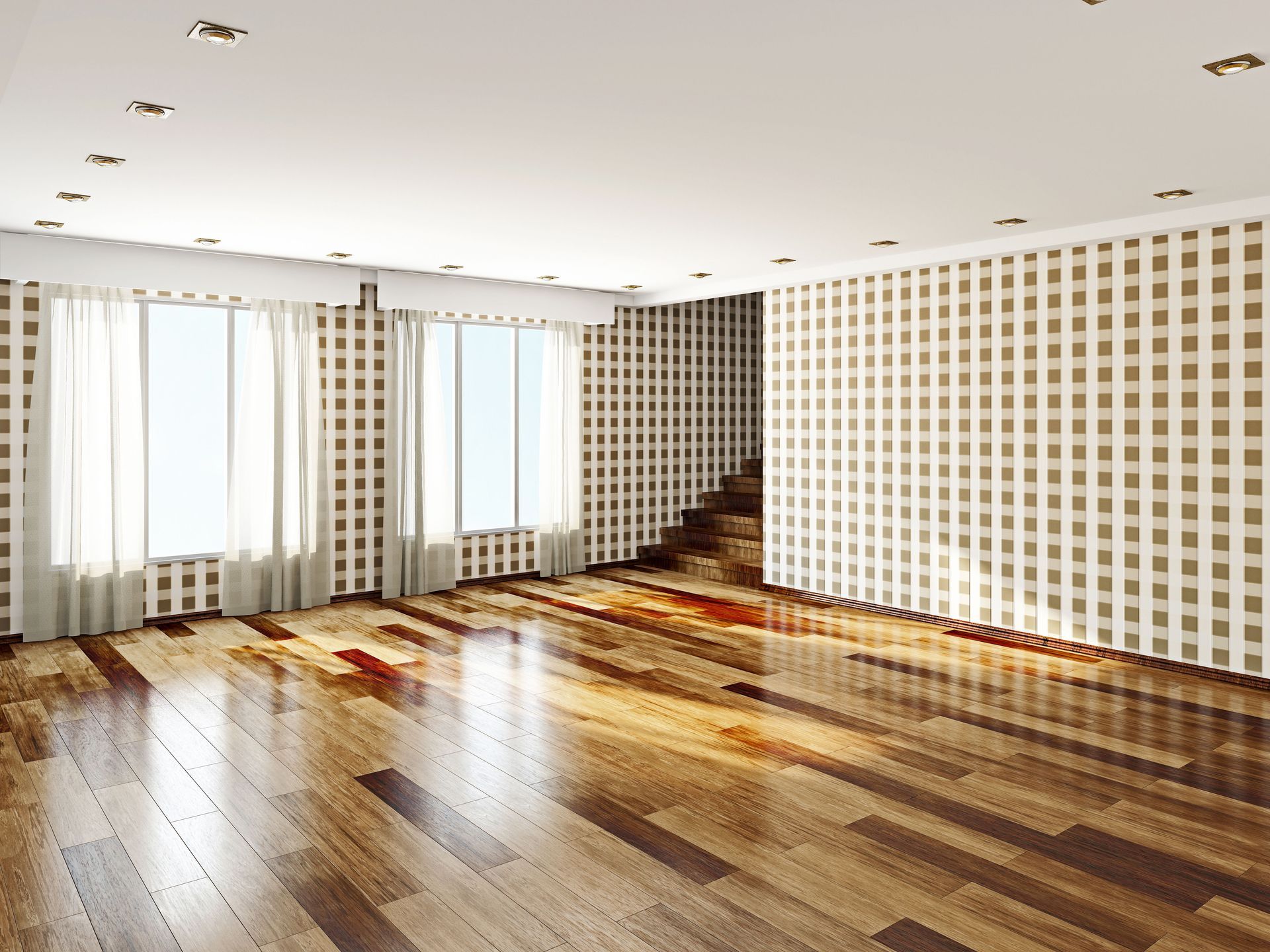
Sometimes flooring needs replacement even when it remains structurally sound. Older colors, patterns, and finishes can make an otherwise attractive home feel dated, especially after updating furniture, wall colors, or lighting. Flooring covers a substantial portion of every room, so changing it can noticeably influence the overall atmosphere. If your current floors no longer complement your interior design, replacing them can help create a more cohesive and inviting appearance.
Homeowners should also consider whether their existing flooring limits future decorating choices. Certain patterns or heavily dated finishes can make it difficult to coordinate new furniture and accessories without creating visual inconsistencies. Modern flooring options offer a wide range of textures, colors, and finishes that can accommodate different design preferences. Working with a flooring and remodeling company can help you compare materials and choose an updated style that complements your home's existing features.
Addressing More Structural Problems
Flooring problems become more serious when they affect stability or safety rather than appearance alone. Loose tiles, soft spots, uneven boards, and persistent squeaking can indicate issues with the flooring materials or the subfloor beneath them. These conditions may worsen when left untreated, particularly when moisture or structural movement contributes to the damage. Paying attention to these warning signs can help prevent additional deterioration and unnecessary repair expenses.
Uneven surfaces can also create tripping hazards, especially for children, older adults, and anyone with mobility challenges. Tiles that repeatedly loosen or boards that begin lifting may require more extensive attention than simple patching. According to USA Today, hardwood flooring can offer a return on investment of up to 118%, making it a potentially valuable consideration when evaluating replacement options. However, homeowners should prioritize the condition of the existing floor, the suitability of the material, and the quality of installation rather than focusing exclusively on resale potential.
Improving More Home Value
Flooring can influence how buyers perceive a property, particularly when they are comparing homes with similar layouts and features. Damaged, stained, or outdated floors may make rooms feel less appealing and suggest that additional maintenance will be necessary. Even buyers who appreciate a home's other features may hesitate when flooring appears neglected or requires extensive repairs. Replacing worn materials can improve the overall presentation and help create a more favorable first impression.
The potential benefits extend beyond selling a property. New flooring can make everyday living more enjoyable by improving comfort, simplifying cleaning, and creating a more consistent appearance throughout the home. A flooring and remodeling company can help homeowners evaluate materials that fit their lifestyle, design preferences, and long-term plans. Whether you're preparing to sell or simply want to refresh your living space, flooring improvements can contribute to a more functional and attractive home.
Reducing More Maintenance Expenses
As flooring ages, keeping it in good condition can become increasingly expensive and time-consuming. Frequent professional cleaning, repeated repairs, and specialized maintenance products may gradually add up to more than homeowners initially expect. Hardwood that requires repeated refinishing or tiles that continually need replacement can become frustrating to manage. When maintenance demands keep increasing, replacing the flooring may offer a more practical long-term solution.
It is also worth considering how much time you spend maintaining your current floors. Some older materials require specific cleaning methods or treatments that make everyday upkeep less convenient. A flooring and remodeling company can explain which replacement materials offer easier maintenance without sacrificing appearance or durability. Choosing flooring suited to your household's activities can help reduce ongoing maintenance while keeping your rooms looking presentable.
Choosing More Suitable Flooring
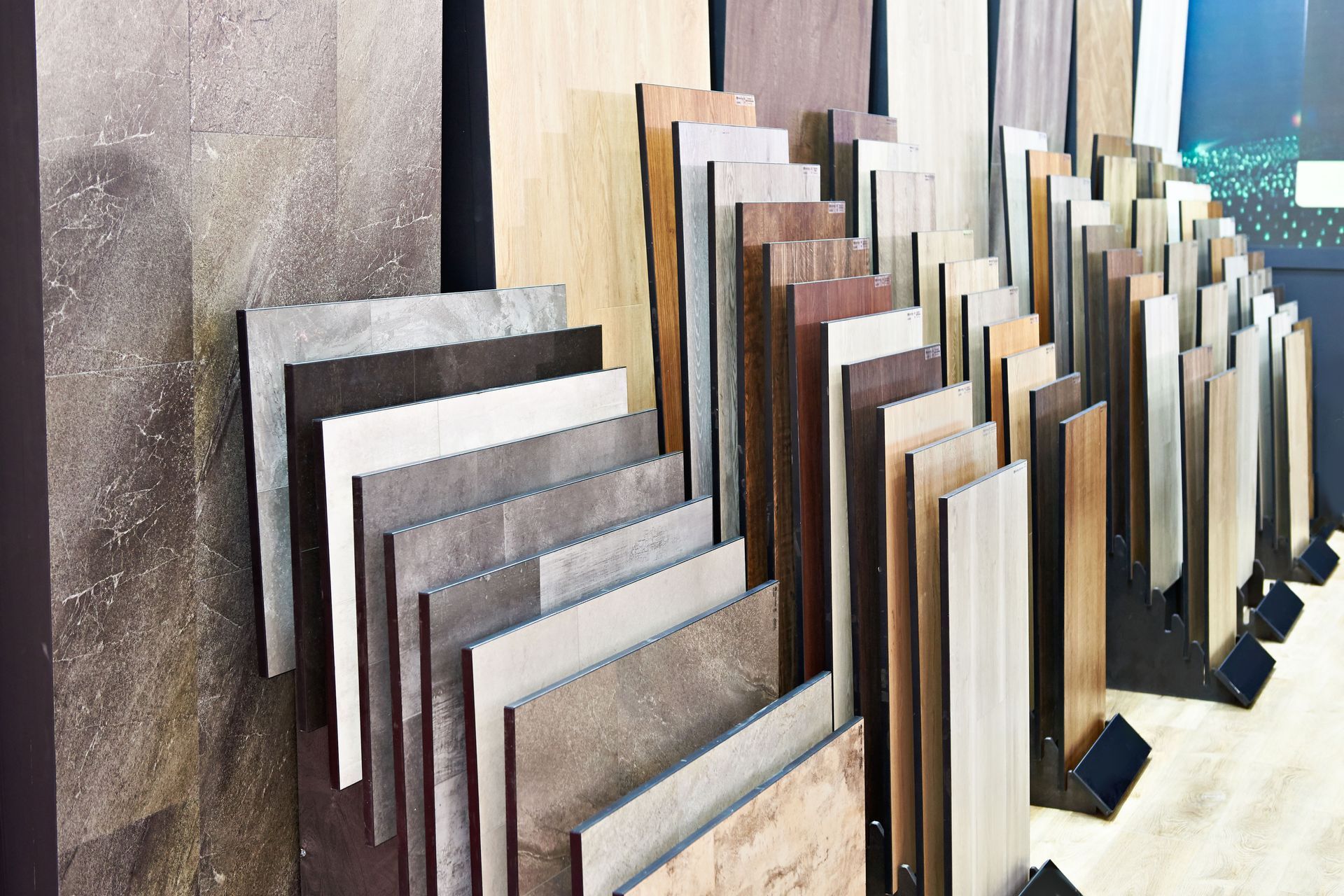
Once you recognize that replacement may be necessary, the next step is selecting flooring that fits your home and lifestyle. Consider factors such as foot traffic, pets, moisture exposure, cleaning preferences, and the overall appearance you want to achieve. Hardwood, tile, luxury vinyl, laminate, and carpet each offer different advantages depending on where they will be installed. Comparing these options carefully can help you avoid choosing a material that looks appealing but does not perform well in your daily environment.
Professional guidance can also make the selection process less overwhelming, particularly when you're comparing several materials or planning updates across multiple rooms. A flooring and remodeling company can help assess your existing surfaces, discuss installation requirements, and identify suitable options for your budget. It is helpful to consider not only the initial purchase price but also installation expenses, expected durability, and future maintenance needs. With a thoughtful selection process, homeowners can choose flooring that supports their practical needs while complementing their preferred interior style.
Recognizing when flooring needs replacement can help homeowners avoid ongoing frustration, prevent additional damage, and maintain a comfortable living environment. Visible deterioration, persistent odors, outdated designs, structural concerns, declining home appeal, and rising maintenance expenses are all useful indicators that an upgrade may be worthwhile. The best replacement decisions consider both the current condition of the floors and how different materials will perform over time. Taking the opportunity to update your flooring can also improve the appearance, functionality, and enjoyment of your home. If your floors are showing signs of wear and you're ready to explore replacement options, Ceramic Tile Sales can help you find flooring solutions that fit your home's needs and style.
Share On: