
Natural Stone vs. Porcelain: Which Flooring Is Right for You?
Selecting the ideal hard surface flooring for a residential living space represents a highly consequential decision an owner faces during an interior renovation. Floors anchor every room, defining visual aesthetics, tactile comfort, and long-term durability while enduring relentless daily foot traffic, moving furniture, and household spills. Among the wide spectrum of premium materials available, natural stone and porcelain tile stand out as prestigious, durable, and sought-after alternatives for high-end installations. While quarried natural stone offers organic subterranean beauty and irreplaceable geological individuality, modern porcelain delivers remarkable engineering precision, nearly indestructible density, and design versatility. Deciding between authentic stone and high-definition porcelain requires analyzing how each material interacts with everyday lifestyle demands, household pets, moisture levels, and ongoing maintenance schedules. Interestingly, according to Houzz, 32% of surveyed homeowners say they want to personalize features in their house. This desire for custom interior expression makes floor selection particularly significant, as the chosen material establishes the foundational palette for cabinetry, wall treatments, and lighting fixtures throughout living zones. Collaborating with seasoned experts specializing in flooring and remodeling ensures that property owners navigate material characteristics, subfloor load requirements, and installation specifications with absolute confidence. Understanding the distinct attributes, performance profiles, and maintenance expectations of genuine stone versus engineered porcelain empowers homeowners to invest wisely.
Evaluating Geological Authenticity and Organic Visual Character
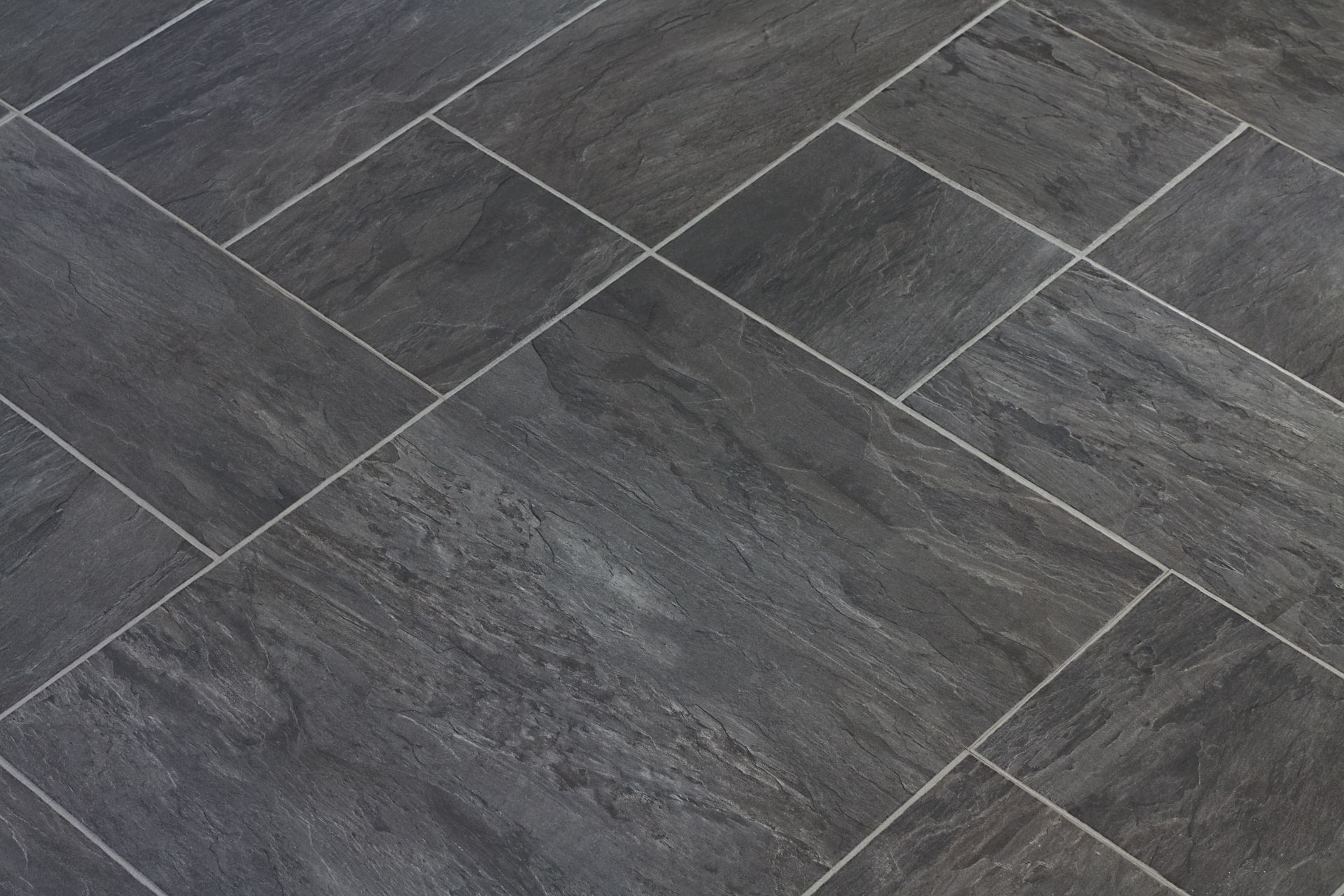
The primary allure of natural stone lies in its authentic provenance, crafted over millions of years by subterranean tectonic pressure and geothermal heat. Slabs of marble, travertine, limestone, slate, and granite emerge from earth quarries across the globe, each tile presenting a singular snapshot of geological history. No tiles are ever completely identical, offering homeowners subtle variations in crystalline veining, fossilized sediment deposits, and natural mineral pigmentation that manufactured materials cannot fully duplicate. Consulting knowledgeable specialists in flooring and remodeling allows property owners to explore distinct stone varieties, appreciating how natural striations and earthy undertones introduce warmth and understated elegance into foyers, grand living rooms, and primary bath suites. However, celebrating organic variation requires homeowners to embrace natural surface pits, slight color shifts, and distinct clefts as inherent hallmarks of authenticity rather than manufacturing imperfections. Selecting genuine quarried stone infuses living spaces with undeniable prestige, grounding interior design in the timeless majesty of natural earth formations.
Examining Manufacturing Precision and Modern Porcelain Technology
Porcelain represents the pinnacle of modern ceramic engineering, fabricated from ultra-fine kaolin clays, refined minerals, and quartz fired inside high-temperature kilns under immense mechanical compaction. This intense manufacturing process produces vitrified tiles that are dense, impervious to water, and dimensionally uniform. Homeowners seeking guidance on flooring and remodeling discover that modern porcelain tile manufacturing utilizes advanced digital ink-jet printing technology to reproduce the look of natural stones, weathered woods, and poured concrete with astonishing detail. Skilled manufacturers scan rare slabs of Italian marble or French limestone, imprinting high-resolution veining patterns across porcelain faces with subtle textural embossing that mirrors natural stone clefts. Unlike natural stone lots that exhibit unpredictable veining concentrations or hidden structural flaws, porcelain delivers reliable pattern consistency and uniform slab thickness from edge to edge. This dimensional accuracy allows installers to specify razor-thin grout lines and rectified tile joints, creating sleek, modern expanses that expand the visual scale of open-concept living rooms. Leveraging cutting-edge ceramic technology provides homeowners with captivating aesthetics paired with predictable physical consistency.
Balancing Porosity Realities and Long-Term Sealing Maintenance
Understanding the fundamental differences in surface porosity and maintenance requirements stands as a critical factor when choosing between quarried stone and vitrified porcelain. Because natural stone originates from permeable sedimentary or metamorphic formations, raw stone contains microscopic pores and open capillaries that absorb unsealed liquids, cooking oils, and acidic spills. Retaining trusted professionals for flooring and remodeling ensures that natural stone floors receive professional-grade penetrating sealants immediately upon installation to guard against stubborn staining. Maintaining stone surfaces requires reapplying breathable sealers periodically, avoiding harsh chemical cleansers, and cleaning up spilled red wine, citrus juice, or coffee quickly before acidic liquids can etch calcium-based minerals like marble or limestone. Conversely, vitrified porcelain exhibits total liquid impermeability, naturally repelling water, grease, and pet accidents without ever requiring surface sealers or specialized pH-neutral soaps. Evaluating maintenance willingness ensures that busy families choose a flooring surface that aligns with their daily lifestyle without creating burdensome ongoing chores.
Resisting Moisture Infiltration in Kitchens and Bathrooms
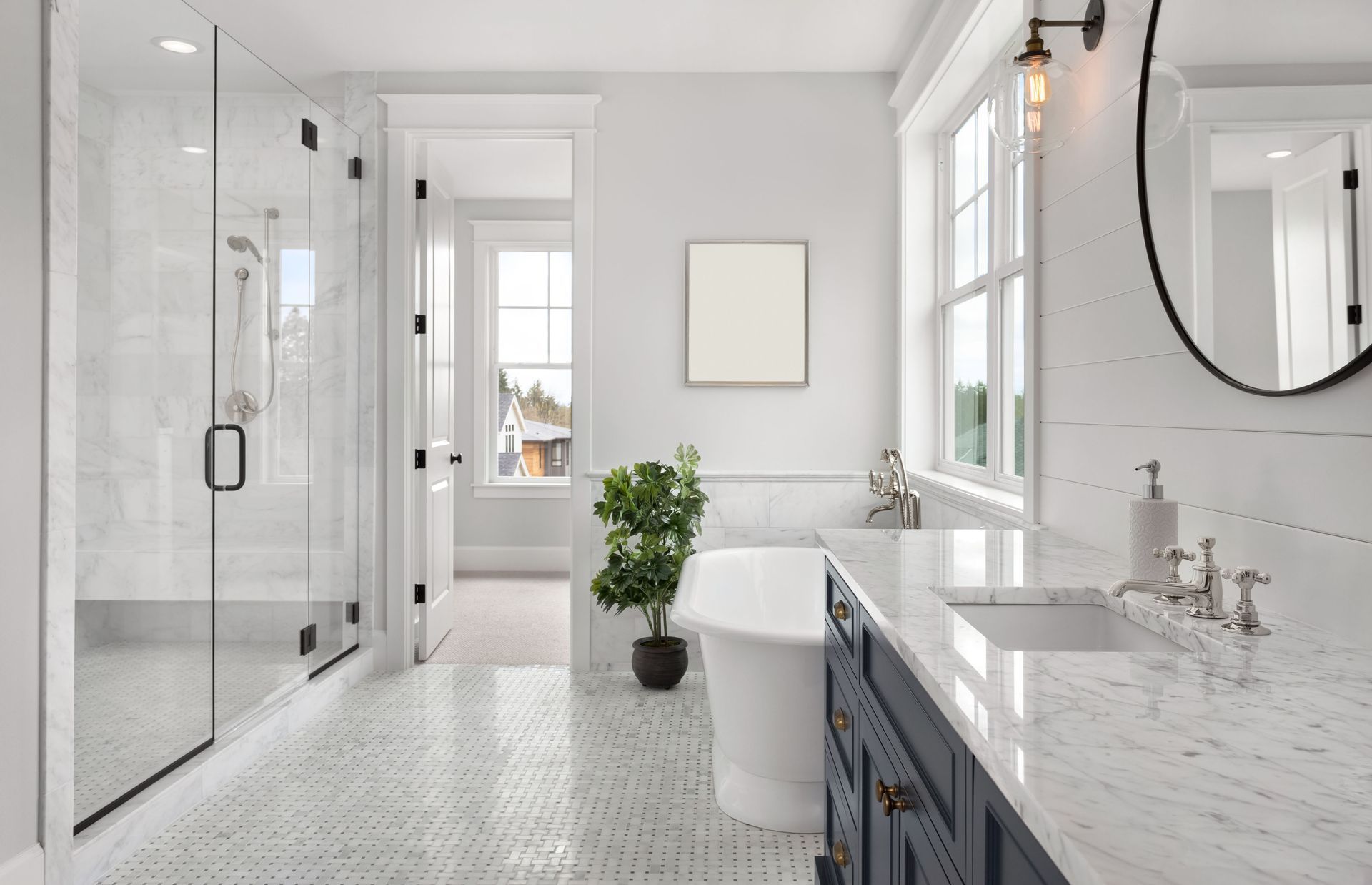
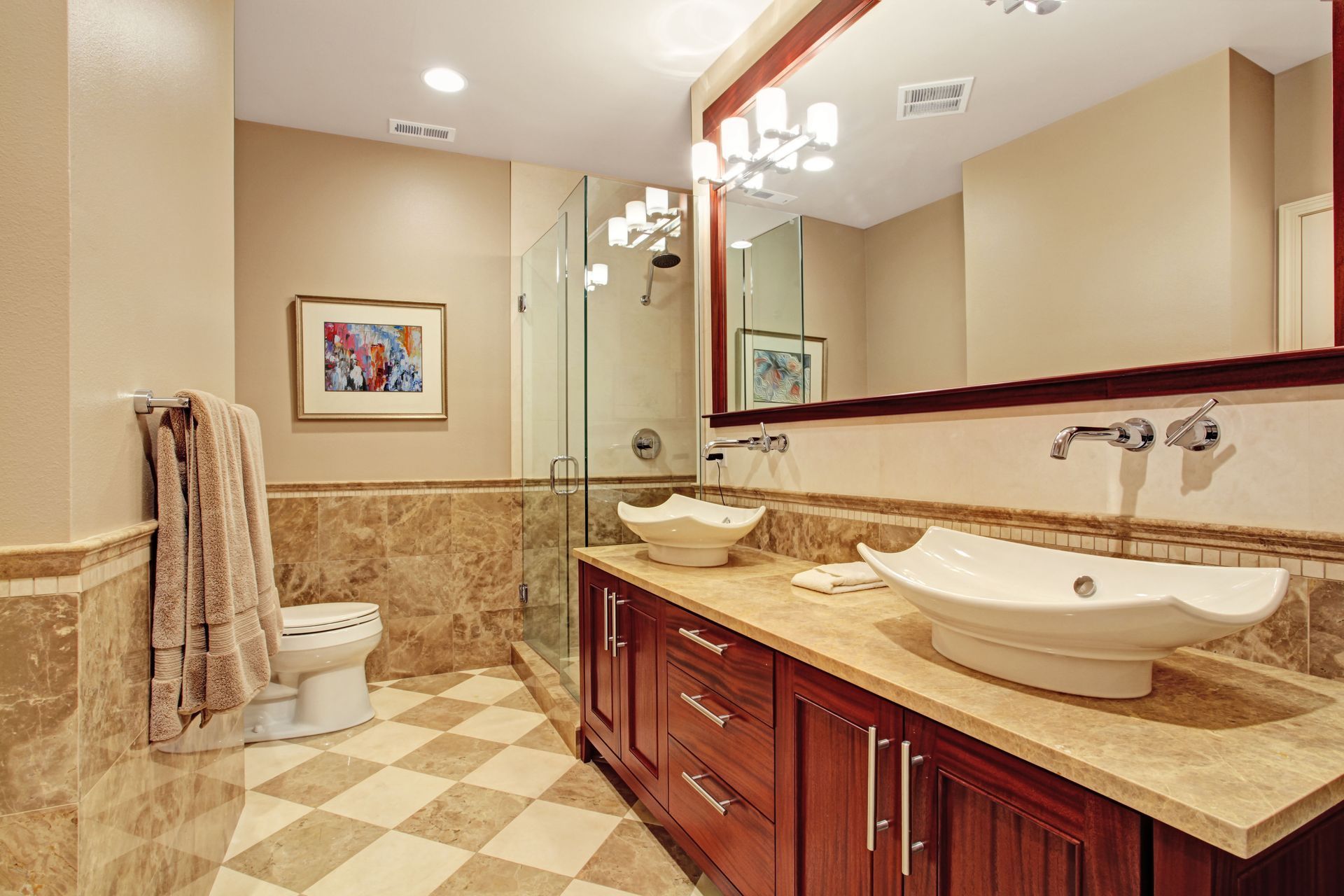
High-moisture living zones—such as master bathrooms, walk-in showers, laundry facilities, and kitchen prep areas—demand flooring materials capable of resisting continuous water exposure without warping or degrading. In wet environments, porcelain stands as the undisputed champion of moisture resistance, absorbing virtually zero ambient humidity or standing water. Nevertheless, experienced advisers in flooring and remodeling frequently guide clients toward dense stone varieties, such as honed granite or slate, which perform admirably in wet spaces when treated with commercial waterproofing membranes and slip-resistant finishes. Travertine and tumbled marble also provide natural traction under wet feet, making them perennial favorites for curbless walk-in showers and spa-inspired primary bathrooms. However, ensuring success with natural stone in wet areas requires meticulous shower pan sloping, premium waterproofing barriers, and regular sealant maintenance to prevent moisture from lingering within stone pores. Matching material water absorption profiles with room utility guarantees mold-free hygiene, structural durability, and lasting beauty across moisture-prone residential zones.
Exploring Subfloor Weight Tolerances and Structural Preparation
The physical weight and thickness of chosen flooring materials exert a profound influence on structural engineering and preliminary subfloor preparation. Sizable natural stone tiles are substantially heavier and thicker than porcelain alternatives, adding dead weight to residential floor joist assemblies. Before installing natural stone across upper-story bedrooms or expansive living rooms, structural framing must be evaluated for deflection tolerances to prevent floor joists from flexing under dynamic loads. Working with certified experts in flooring and remodeling guarantees that existing wood subfloors receive proper structural reinforcement, such as adding uncoupling membranes, exterior-grade plywood layers, or cementitious backer boards. Conversely, modern porcelain tiles offer exceptional structural strength at reduced thicknesses and lighter weights, making them far easier to install over existing subfloors without requiring expensive floor joist sistering or structural ledger reinforcement. Meticulous subfloor evaluation prevents frustrating tile cracking, ensures flat transitions between rooms, and secures a rock-solid foundation for finished surfaces.
Selecting between authentic natural stone and engineered porcelain ultimately comes down to balancing your aesthetic desires against your appetite for ongoing maintenance and functional demands. Natural stone remains an unmatched luxury material, offering geological authenticity, unique organic veining, and a distinguished patina that elevates living spaces with timeless charm. In contrast, modern porcelain represents the ultimate in worry-free performance, delivering extraordinary durability, total moisture resistance, easy cleaning, and stunning visual fidelity that mimics natural textures without demanding continuous sealing. Both materials dramatically enhance residential comfort, elevate interior aesthetics, and provide substantial long-term value when installed over properly prepared subfloor structures. Sourcing premium materials and partnering with certified design and installation professionals ensures that your flooring transformation unfolds smoothly from initial concept to final polish.
At Ceramic Tile Sales, our dedicated team brings deep material knowledge, master installation craftsmanship, and an unwavering commitment to quality on every residential and commercial project we guide, ensuring your home achieves breathtaking visual elegance, unyielding structural durability, and extraordinary comfort across every finished floor. Contact us today or visit our local showroom to explore our extensive natural stone and porcelain collections and discover the lasting benefits of working with trusted tile specialists.
Share On: