
How to Choose the Right Tile for Every Room in Your Home
Choosing tile for your home is a decision that shapes both the daily function and long-term value of your space. With so many materials, finishes, and price points available, it's easy to feel overwhelmed before you've even started comparing samples. Ceramic, porcelain, and natural stone each bring distinct advantages depending on where they're installed, how much foot traffic they'll see, and what kind of maintenance you're willing to commit to. This guide breaks down how to match the right tile to the right room, so your investment looks great and performs well for years to come.
Understanding Your Options: Ceramic, Porcelain, and Natural Stone
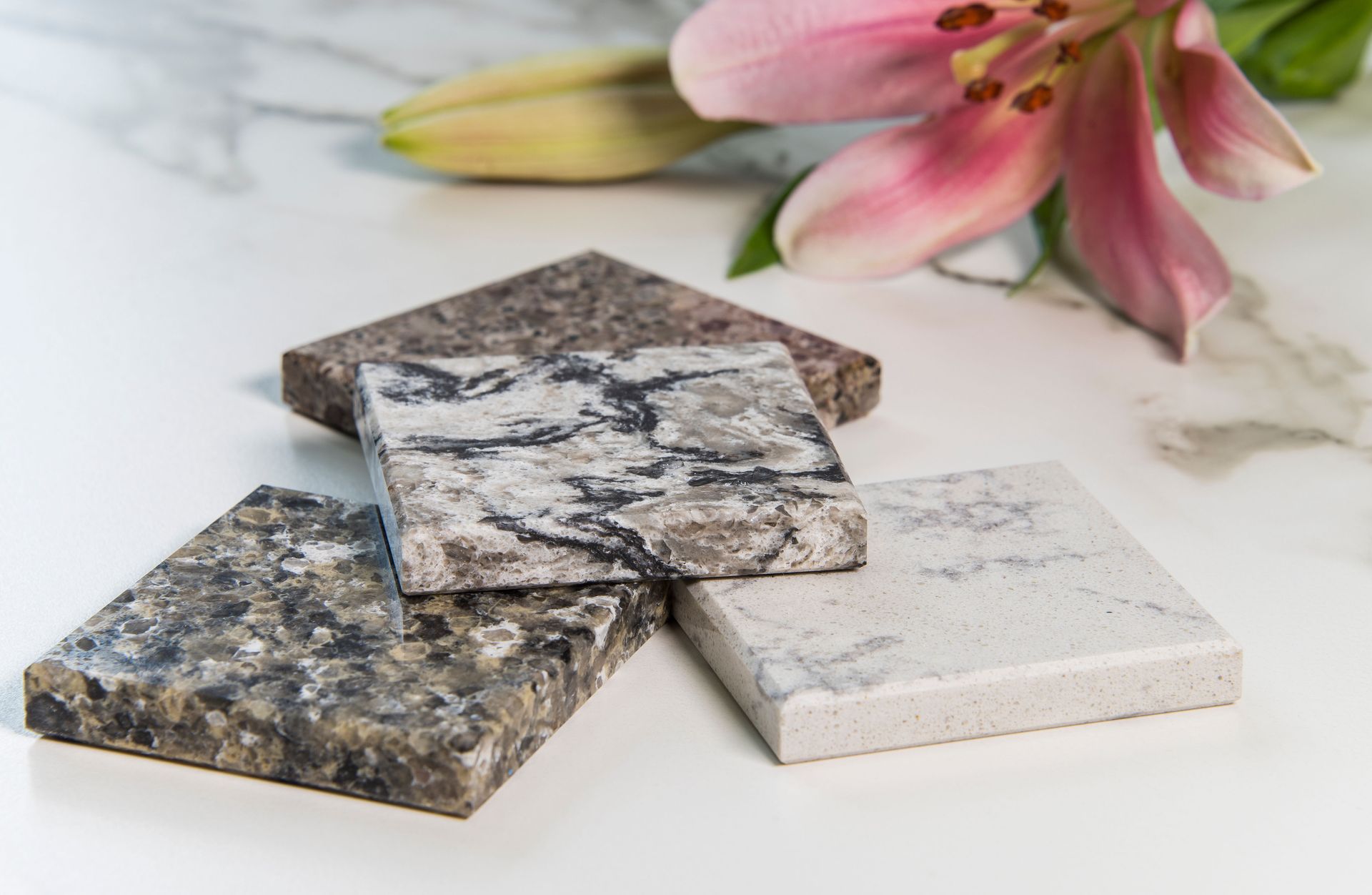
Before diving into room-by-room recommendations, it helps to understand what sets these three materials apart. Ceramic tile is made from clay that's fired at high temperatures, resulting in a durable, budget-friendly product available in nearly unlimited colors and patterns. Porcelain tile is a denser subtype of ceramic, fired at even higher temperatures, which makes it more water-resistant and better suited to demanding environments. Natural stone tile offers unmatched visual depth and uniqueness, since no two pieces are exactly alike, though it typically requires more sealing and upkeep than manufactured options.
Demand for these materials remains strong nationwide. According to Grand View Research, U.S. consumption of ceramic tile flooring reached roughly 264.5 million square meters, or about 2.85 billion square feet, in 2023 alone. That volume reflects just how central this material has become in both new construction and renovation projects, and it's a strong signal that ceramic tile flooring continues to be a trusted, mainstream choice for homeowners.
Choosing Tile for High-Moisture Spaces Like Bathrooms
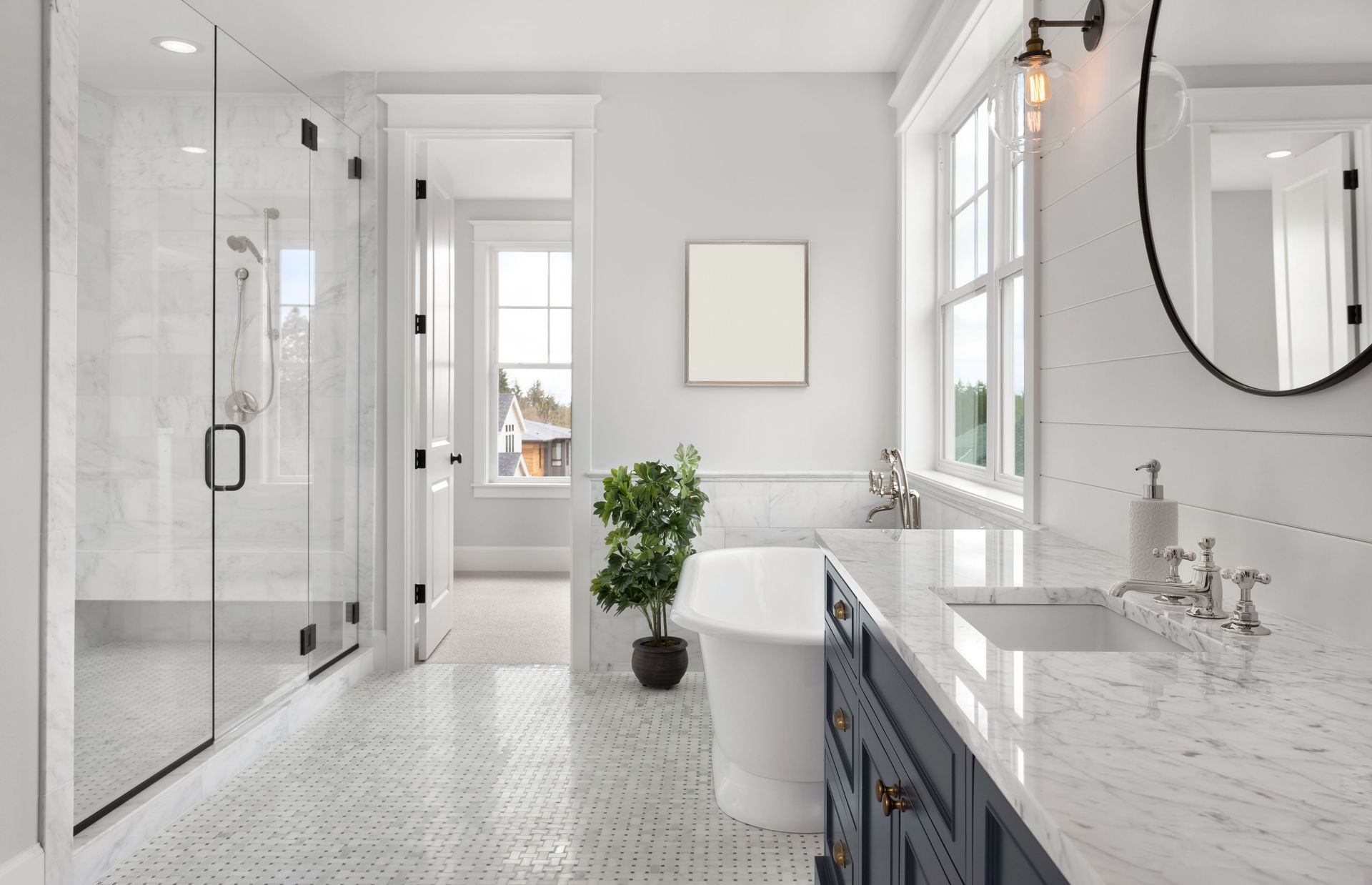
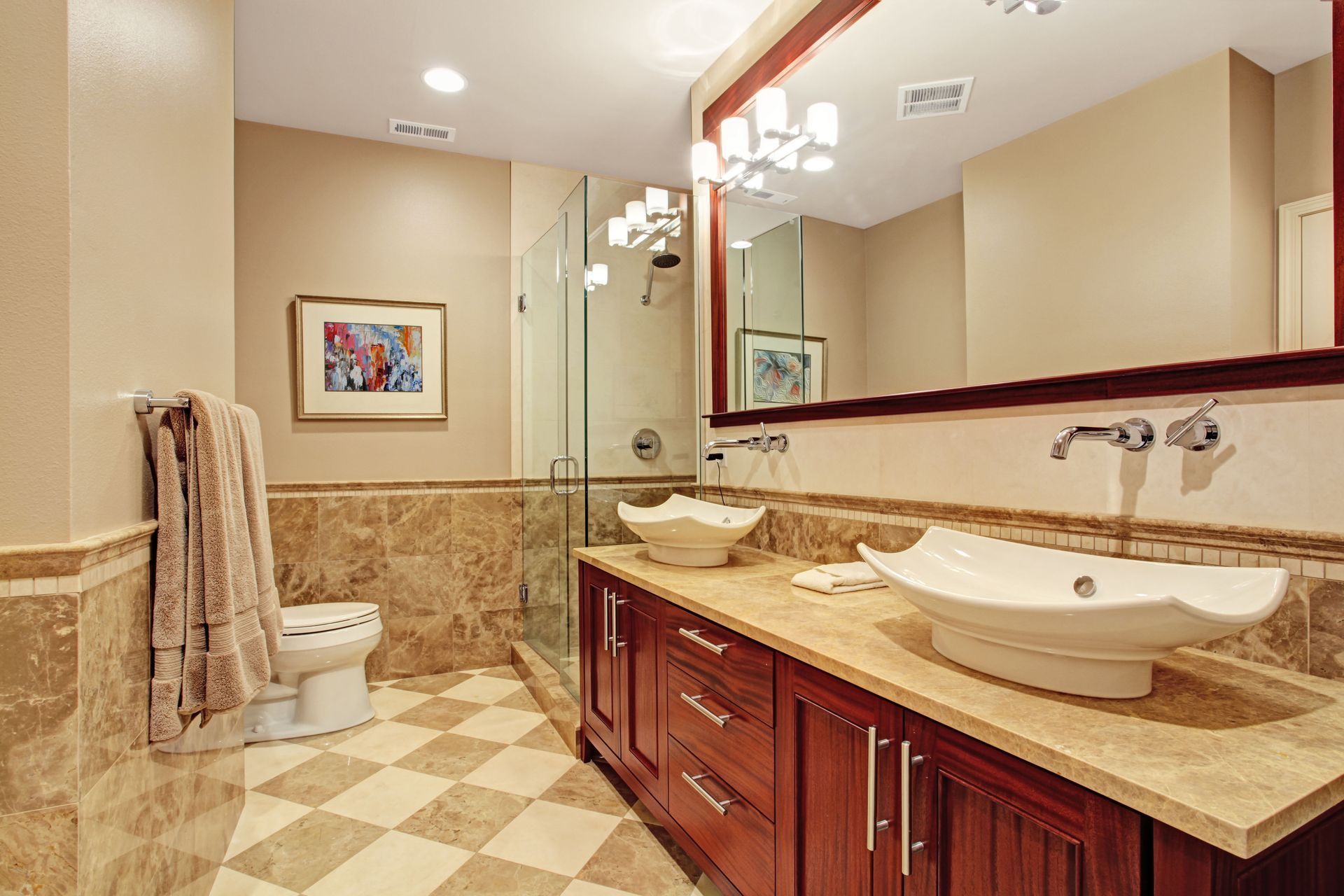
Bathrooms present a unique challenge: constant exposure to water, humidity, and temperature swings. Porcelain tile is often the top recommendation here because of its low porosity and superior resistance to moisture infiltration. Ceramic tile flooring also performs well in bathrooms, particularly on floors and shower walls, as long as it's properly glazed and sealed at the grout lines. Natural stone can create a spa-like atmosphere, but materials like marble and travertine are more porous and will need regular sealing to prevent staining and water damage.
Slip resistance matters just as much as water resistance in this room. Textured or matte-finish tiles reduce the risk of slipping when floors are wet, which is especially important in showers and around tubs. Whichever material you choose, working with a professional installer ensures proper waterproofing membranes and slope-to-drain techniques are used correctly, preventing costly leaks down the road.
Selecting Tile for High-Traffic Areas Like Kitchens and Entryways
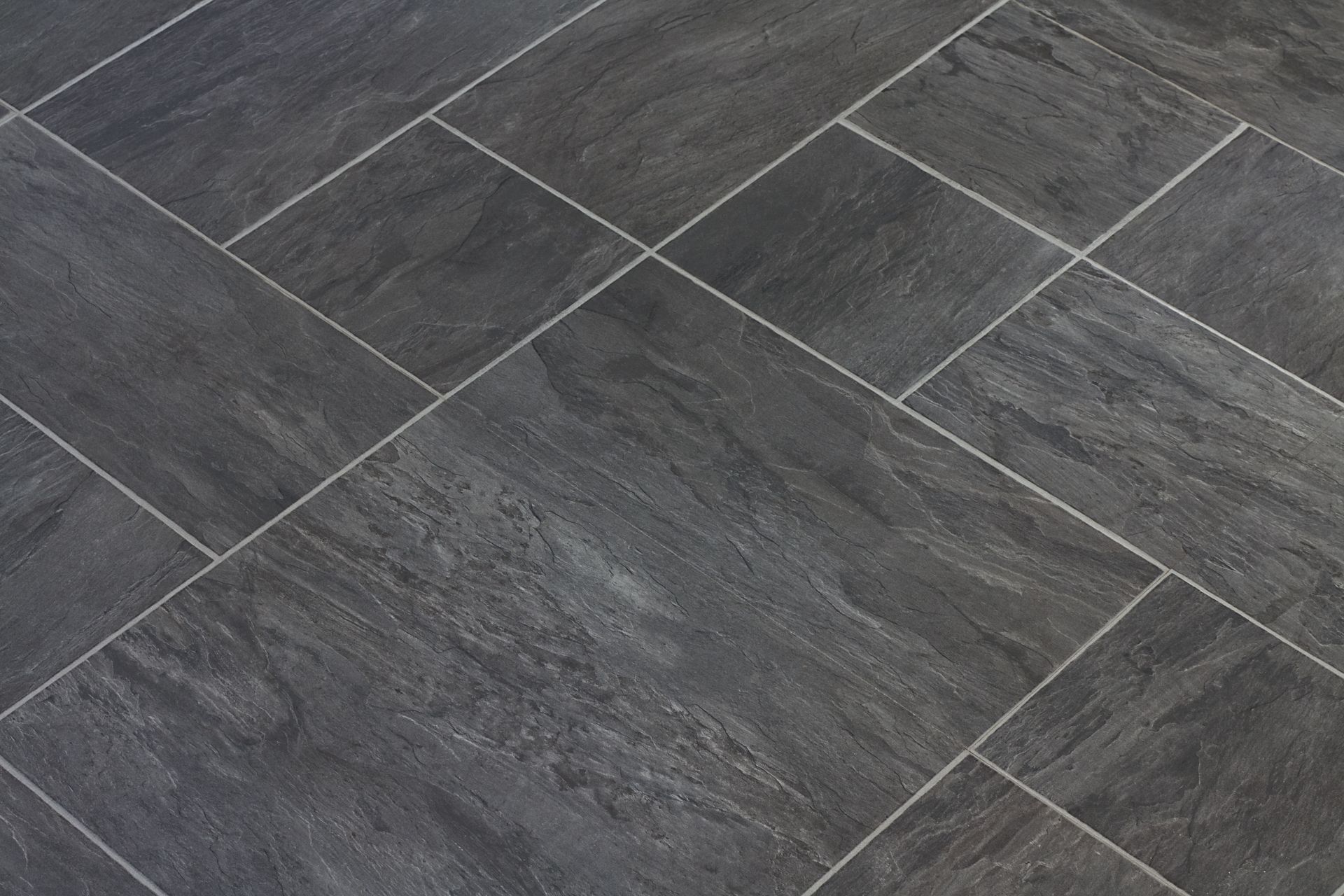
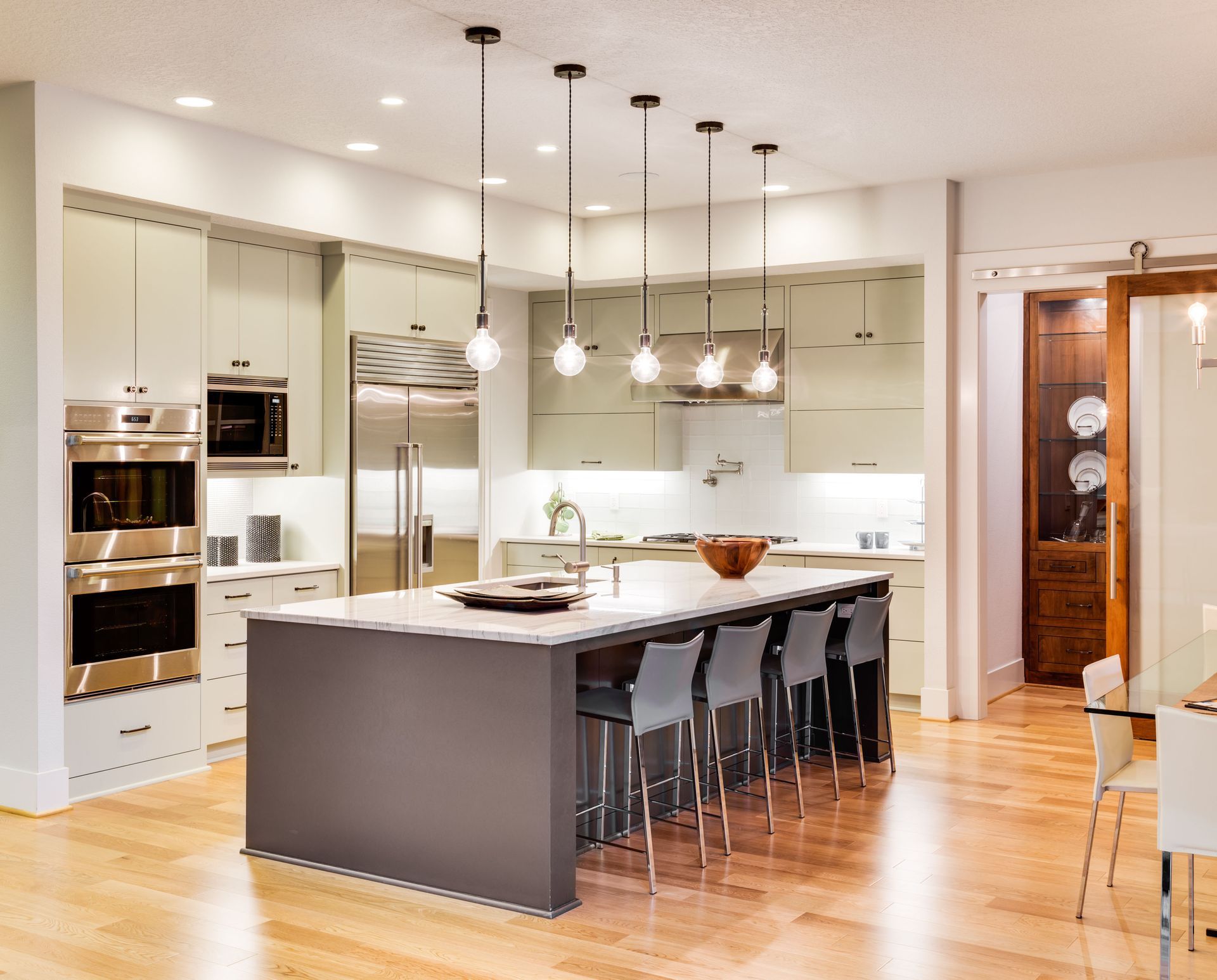
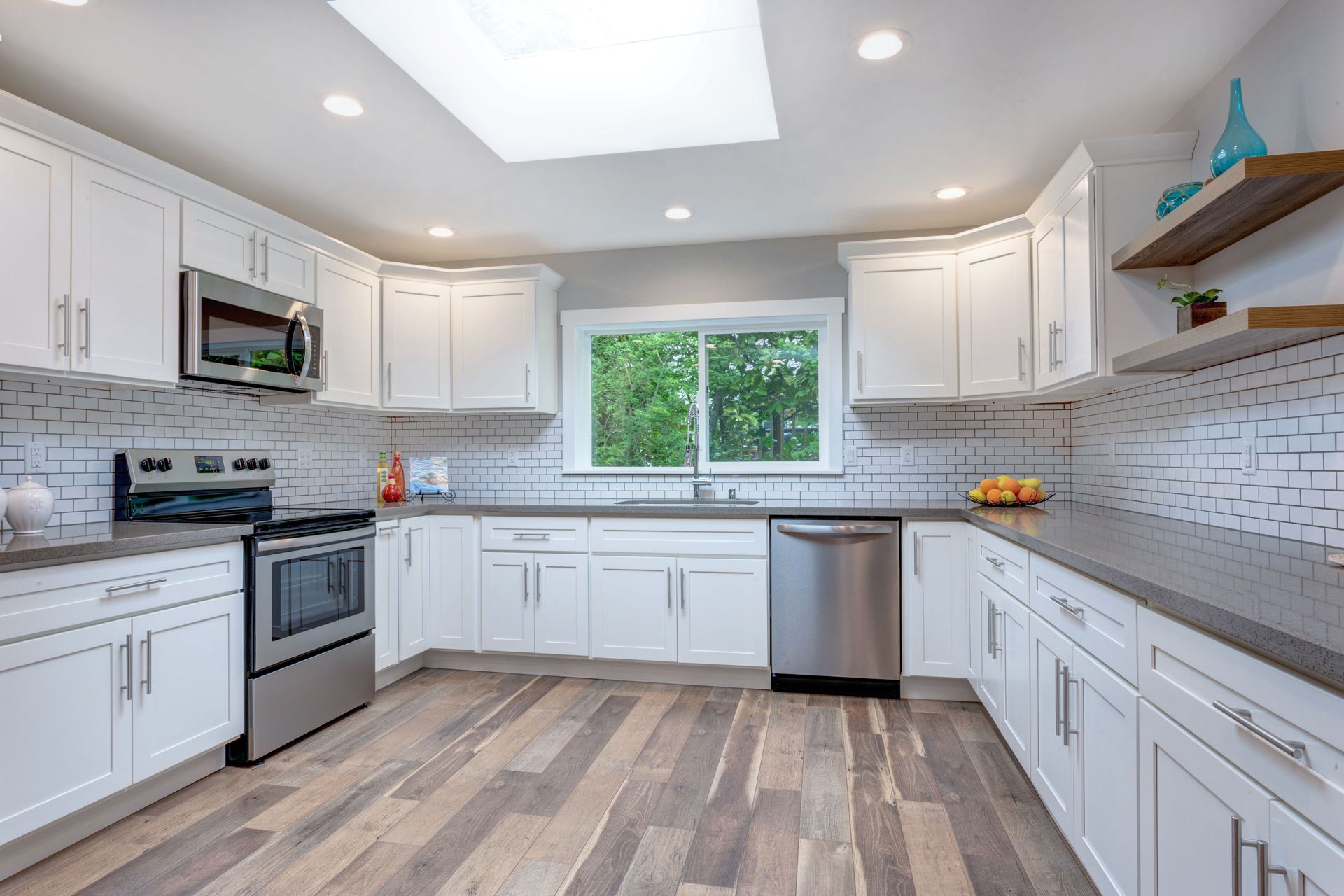
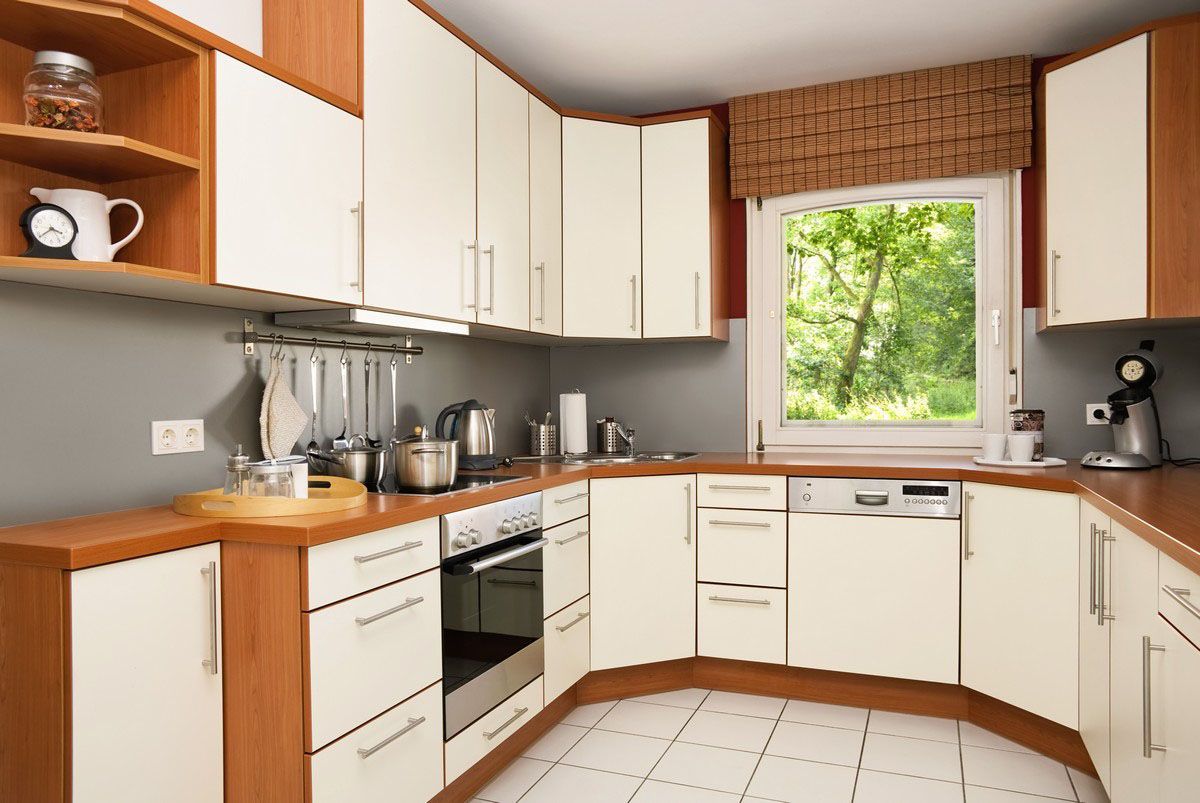
Kitchens and entryways endure heavy foot traffic, dropped dishes, and constant spills, so durability should be your top priority. Porcelain tile's hardness makes it an excellent choice for these zones, standing up well to scratches and impact over time. Ceramic tile flooring is also a smart option for kitchens, offering a good balance of affordability and resilience, particularly in moderate-traffic layouts. Natural stone, such as granite or slate, adds a rich, organic look but may require more frequent sealing in areas where cooking oils and acidic spills are common.
Entryways benefit from tile that can handle dirt, moisture, and temperature changes tracked in from outside. A textured porcelain or a densely fired ceramic tile flooring option will resist wear far better than a softer, more decorative tile meant for lower-impact rooms. Choosing a slip-resistant finish here also reduces liability, especially in households with children or older adults.
Picking Tile for Living Rooms and Bedrooms
Living rooms and bedrooms call for a different set of priorities: comfort, warmth, and aesthetic cohesion with the rest of the home. Large-format porcelain tiles have become increasingly popular in these spaces because they mimic the look of hardwood or natural stone while offering easier maintenance and better durability. Ceramic tile flooring works beautifully here too, especially in warmer climates where homeowners want a cooling, low-maintenance surface underfoot.
Natural stone tile, such as polished marble or honed limestone, can elevate a living room into a genuinely luxurious space, though it's worth pairing with area rugs to soften the room acoustically and add warmth. Since these are rooms where family and guests spend the most time, it's worth investing a bit more in finish quality and consulting a designer or flooring professional to ensure the tile complements your furniture, lighting, and overall color palette.
Matching Tile to Outdoor and Patio Spaces
Outdoor living areas, patios, and pool decks require tile that can withstand freeze-thaw cycles, UV exposure, and constant moisture. Porcelain tile rated for exterior use is often the go-to choice, as it's manufactured to resist cracking in fluctuating temperatures. Natural stone, particularly slate or travertine with a honed or tumbled finish, offers excellent slip resistance and a natural aesthetic that blends seamlessly with landscaping.
Ceramic tile flooring is generally better suited to covered or indoor-outdoor transition spaces rather than fully exposed patios, since it's more prone to cracking under freeze-thaw stress in colder climates. If you're set on ceramic for an outdoor area, consult a professional about frost-rated options and proper substrate preparation, since improper installation is the most common cause of outdoor tile failure.
Balancing Style, Budget, and Maintenance Needs
Every tile decision ultimately comes down to balancing three factors: how it looks, what it costs, and how much upkeep you're willing to do. Ceramic tile flooring tends to offer the most budget-friendly entry point without sacrificing style, making it a practical choice for homeowners updating multiple rooms at once. Porcelain sits at a slightly higher price point but delivers added durability that can justify the cost in high-traffic or high-moisture areas.
Natural stone typically commands the highest price and the most maintenance, from periodic sealing to careful cleaning with pH-neutral products, but it also delivers a level of natural beauty that manufactured tiles can't fully replicate. Before committing, map out your priorities room by room. A guest bathroom might call for cost-effective ceramic tile flooring, while a primary suite could justify the splurge on natural stone. Being honest about your lifestyle and maintenance habits will help you avoid buyer's remorse later.
Working With Professionals for Installation Success
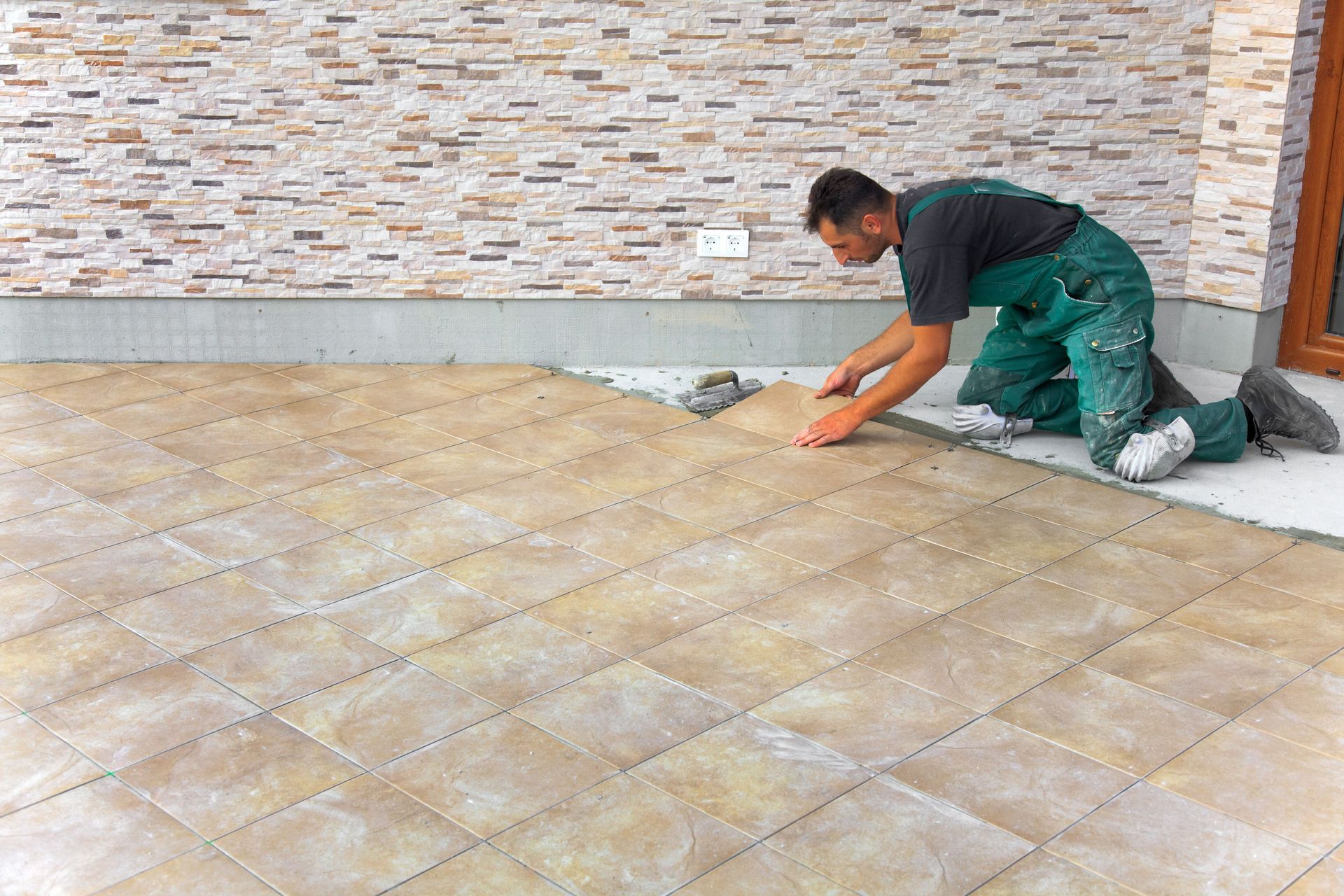
Even the best tile selection can fall short if installation isn't handled correctly. Professionals bring expertise in substrate preparation, waterproofing, layout planning, and grout selection that directly affects how long your tile lasts and how good it looks. This is especially true for natural stone, which often requires specialized cutting tools and sealing techniques, and for porcelain, which can be more challenging to cut precisely due to its density.
A qualified installer can also help you avoid common pitfalls, such as improper spacing, uneven substrates, or incorrect grout types that lead to cracking or discoloration over time. Whether you're installing ceramic tile flooring in a single bathroom or renovating an entire home, partnering with experienced professionals protects your investment and ensures the finished product matches the vision you started with.
Choosing the right tile for every room in your home doesn't have to be complicated once you understand how ceramic, porcelain, and natural stone perform in different environments. By matching material properties to each room's specific demands—moisture, traffic, temperature, and style—you'll end up with a home that looks cohesive and holds up beautifully over time. If you're ready to start exploring options for your next project, we invite you to visit Ceramic Tile Sales, where our team can help you find the perfect tile and connect you with trusted installation professionals to bring your vision to life.
Share On: